Showing posts with label Marketing. Show all posts

Wednesday, May 1, 2024

How Surveys Shape Marketing Intelligence


Surveys are a cornerstone of marketing intelligence, providing valuable data that empowers businesses to understand their customers, navigate the market, and craft effective marketing strategies. In today's dynamic landscape, where consumer preferences and market trends can shift rapidly, surveys offer a powerful tool to gather real-time insights and stay ahead of the curve.

Understanding Customer Needs and Preferences:

  • Customer Satisfaction: Surveys allow businesses to gauge customer satisfaction with existing products, services, and brand experiences. Feedback on features, pricing, and customer support helps identify areas for improvement and prioritize resources for optimization.
  • Product Development: Understanding customer needs and preferences is crucial for successful product development. Surveys can explore interest in new features, identify unmet needs, and test product concepts before launch.
  • Market Segmentation: Surveys can be used to segment the customer base into distinct groups based on demographics, behaviors, and preferences. This allows for targeted marketing campaigns that resonate with specific audience segments.

Optimizing Marketing Strategies:

  • Campaign Effectiveness: Surveys can measure the effectiveness of marketing campaigns by gauging brand awareness, message recall, and purchase intent. This data helps refine future campaigns and maximize marketing ROI.
  • Pricing Strategy: Understanding customer perceptions of value is essential for setting optimal prices. Surveys can explore price sensitivity, willingness to pay for specific features, and competitor pricing awareness.
  • Channel Optimization: Surveys can reveal preferred communication channels for customers, allowing businesses to focus their marketing efforts on the most effective platforms (e.g., email, social media, etc.).

Gaining Competitive Intelligence:

  • Competitive Benchmarking: Surveys can be used to gather insights into competitor offerings, pricing strategies, and brand perception among target customers. This allows businesses to identify their competitive advantage and develop strategies to differentiate themselves.
  • Market Trends: Surveys can track changing customer preferences and emerging trends within the market. By staying ahead of the curve, businesses can adapt their offerings and marketing strategies to capture new opportunities.
  • Customer Acquisition: Surveys can be used to understand what motivates customers to switch brands. This knowledge helps businesses develop targeted marketing campaigns to attract customers from competitors.

The Future of Surveys in Marketing Intelligence:

The future of surveys in marketing intelligence is likely to see increased use of:

  • Mobile Surveys: With the growing prevalence of smartphones, mobile-optimized surveys will become even more important for reaching customers on the go.
  • Real-Time Feedback: Emerging technologies like chatbots can be used to collect real-time feedback from customers through surveys integrated within the customer experience.
  • Advanced Data Analytics: Advancements in data analytics will allow for more sophisticated analysis of survey data, leading to deeper customer insights.

Friday, April 5, 2024

A Scannable History: QR Codes in Marketing

I remember using QR Codes on printed newsletters way back in the early 2010s. Then, it seemed QR codes went away. But now they're back with a vengence. I recently came across this helpful article that recapped the QR Code timeline and thought I'd put my own thoughts to the topic.

QR codes, those enigmatic black and white squares, have had a fascinating journey in marketing. From niche industrial use to ubiquitous restaurant menus, their story is one of adaptation and a perfect fit for the mobile age.

Born from Efficiency (1994): Invented in Japan by Denso Wave for the automotive industry, QR codes (Quick Response codes) aimed to streamline parts tracking. Their advantage? Holding more data than traditional barcodes and being faster to scan.

Early Stumbles (1990s-2000s):  Adoption was slow. Limited scanner availability and a lack of mobile internet hindered widespread use. QR codes found some success in magazines for redirecting readers to websites, but the barrier to entry (downloading a scanner app) remained a hurdle.

The Smartphone Revolution (2000s): The rise of camera-equipped smartphones was a game-changer. Native scanning capabilities eliminated the app download friction. Marketers saw potential: embedding coupons, linking to social media profiles, or providing access to exclusive content.

Challenges and Evolution (2010s): Despite potential, QR codes faced challenges. Often poorly designed or placed, they offered unclear value propositions.  Additionally, a lack of tracking made measuring success difficult. However, QR codes continued to evolve, with dynamic codes allowing for real-time content updates and analytics tools measuring user engagement.

The Pandemic Push (2020s): COVID-19 became an unexpected QR code champion. Restaurants used them for contactless menus, businesses promoted them for product information, and contactless payments boomed with QR code integration. The pandemic highlighted the code's ability to bridge the physical and digital worlds seamlessly.

Pros of QR Codes:

  • Measurability:Track scans, understand user demographics, and gauge campaign effectiveness.
  • Versatility:  Direct users to websites, landing pages, social media, coupons, or even trigger actions like adding contacts.
  • Cost-effective:  Free to generate and require minimal maintenance.
  • Offline to Online Bridge:  Connect physical marketing materials to the digital world seamlessly.
  • Enhanced Engagement:  Interactive and dynamic content keeps users interested.

Cons of QR Codes:

  • Technical Barrier: Requires a smartphone with a camera and internet access. 
  • Design Dependence: Poorly designed codes can be difficult to scan or lack a clear call to action.
  • Security Concerns: Malicious QR codes can redirect users to phishing sites. 
  • Limited Data Display: While information-dense, displaying too much data can overwhelm users.

Factors Enabling QR Code Ubiquity:

  • Smartphone Penetration: The near-universal presence of smartphones with built-in scanners is a critical factor.
  • Evolving Use Cases: QR codes have proven adaptable, finding new applications across industries.
  • The Rise of Contactless Interactions: The pandemic accelerated the shift toward contactless solutions, perfectly aligning with QR code functionality.

The Future of QR Codes:

QR codes are likely here to stay. As technology advances, expect even more innovative applications. Integration with augmented reality could create interactive experiences, and secure authentication methods can address security concerns. Marketers who leverage QR codes strategically, creating clear value propositions and seamless user experiences, will be well-positioned to reap the benefits of this versatile technology. 

Friday, March 15, 2024

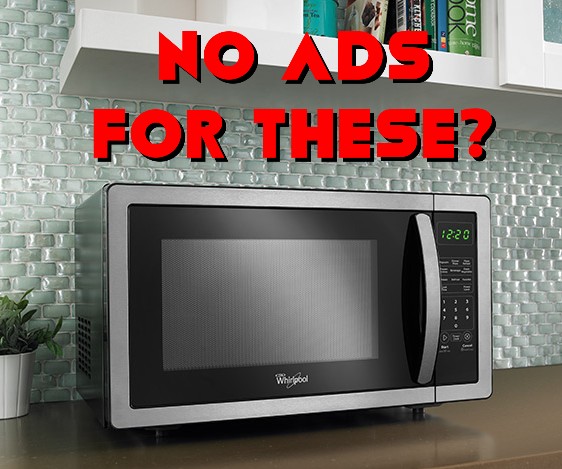
Microwaves: A Kitchen Staple That Flies Under the Ad Radar


Microwaves are ubiquitous in modern kitchens. Yet, unlike their flashy counterparts – TVs or smartphones – you'd be hard-pressed to find a commercial dedicated solely to these countertop marvels. Why is that? Here's a breakdown of the reasons manufacturers don't advertise microwave ovens in the traditional sense:

1. Market Saturation: A Considered Purchase

Microwaves have reached a point of near-saturation in developed markets. Owning one is no longer a novelty, but a considered purchase to replace an aging model.  Advertising becomes less effective when everyone already knows microwaves exist and their basic function.  

2. Limited Innovation: A Mature Technology

Microwave technology has reached a plateau. Core functionalities like reheating and defrosting haven't changed dramatically. While features like sensor cooking and grill settings exist, they haven't revolutionized the product enough to warrant constant advertising pushes.

3. Focus on Brand Recognition, Not Specific Features

Manufacturers might advertise their brand name through broader campaigns encompassing their entire appliance range. This keeps the brand in the consumer's mind,  influencing their choice when they eventually need a new microwave.

4. Price Point: A Commodity Purchase

Microwaves are a relatively inexpensive appliance. A flashy ad campaign for a product with a smaller profit margin compared to, say, a new refrigerator, might not be the most cost-effective marketing strategy.

5. Targeting Through Retail Channels

Manufacturers often partner with retailers to promote specific microwave models. In-store displays, flyers, and targeted online ads based on browsing history might be more effective in influencing the final purchase decision at the point of sale.

Alternative Marketing Strategies

So, how do microwave manufacturers get their product noticed? Here are some alternative methods:

  • Social Media Engagement: Sharing recipes and tips for using microwaves effectively can build a community and showcase the versatility of the appliance.
  • Influencer Marketing: Partnering with food bloggers or chefs to create microwave-focused content can tap into a specific target audience.
  • Focus on Design and Aesthetics: Modern microwaves come in various styles and finishes. Highlighting design aspects can appeal to consumers looking for a microwave that complements their kitchen.
  • Technological Advancements: Though innovation might be slow, significant advancements like rapid steam cooking or smart connectivity could be potential triggers for future advertising campaigns.

The Future of Microwave Marketing

While traditional advertising might be on the backburner for now, the future of microwave marketing could involve a more targeted approach. As technology evolves and consumer preferences change, we might see campaigns focused on specific features, energy efficiency, or integration with smart home ecosystems. 

The lack of traditional microwave oven advertising stems from a combination of market saturation, mature technology, and cost considerations.  Manufacturers leverage alternative marketing strategies to stay relevant and influence buying decisions,  focusing on building brand awareness and highlighting features that resonate with specific consumer segments. 


Friday, March 8, 2024

A Look Inside the Sphere: From Visionary Project to Las Vegas Icon


I recently came across this article about a guy who was arrested after climbing to the top of the Sphere in Las Vegas.

This story is interesting in and of itself but it made me realize that the Sphere is a topic that I would have been all over back in my bloggin' days. After all, my posts about outdoor advertising in cities, how to combat ad blindness and ads on building exteriors have been some of my most viewed posts. 

So...let's write about the Sphere!

>

>

Las Vegas, the city of dazzling lights and larger-than-life experiences, has a new marvel on its horizon: The Sphere. This behemoth isn't just another casino or hotel; it's a technologically advanced entertainment venue pushing the boundaries of live events and reshaping the landscape of outdoor advertising. 

The Sphere's story began in 2018 when the Madison Square Garden Company (now MSG Entertainment) unveiled plans for a revolutionary, spherical entertainment complex. Designed by Populous, the architectural firm behind iconic structures like Yankee Stadium, The Sphere promised an immersive experience unlike any other. 

Construction took years, culminating in the grand opening on September 29th, 2023.  This wasn't just a new venue; it was a statement piece. At a staggering 366 feet tall and 516 feet wide, The Sphere holds the title of the world's largest spherical building. But size alone doesn't tell the whole story. The true magic lies in the innovative technology woven into its very fabric.

A Beacon in the Desert: How The Sphere Redefines Outdoor Advertising

Las Vegas has always been a pioneer in outdoor advertising. From towering casino signs to dazzling LED displays, the city thrives on visual spectacle. The Sphere takes this concept to a whole new level.  

Imagine a giant, high-definition canvas that wraps around the entire building. Now imagine that canvas coming alive with captivating visuals, synchronized with the events happening inside.  This is the power of The Sphere's exterior.  Forget static billboards; The Sphere offers a dynamic platform for brands to tell their stories in a truly immersive way.

Here's how companies can leverage this innovative advertising space:

  • High-Resolution Storytelling:  The Sphere's 16,000 square foot LED display boasts an unbelievable resolution, allowing for incredibly detailed and captivating visuals.  Brands can showcase their products, services, and stories in a way that traditional billboards simply can't.
  • Interactive Experiences:  The Sphere isn't just a display screen; it's an interactive platform.  Imagine a car commercial where viewers can seemingly "drive" the car around the Sphere's curved surface.  The possibilities for engagement are endless.
  • Synchronized Shows:  The exterior display can be seamlessly integrated with the events happening inside The Sphere. Imagine concert visuals spilling out onto the exterior, creating a truly immersive experience for both attendees and passersby.

Beyond the Glitz: The Sphere's Impact on Las Vegas

The Sphere's impact goes beyond dazzling visuals and innovative advertising.  This entertainment giant is poised to redefine the Las Vegas experience in several ways:

  • A New Generation of Entertainment:  The Sphere boasts a unique seating arrangement, where two-thirds of the interior is dedicated to the audience, and the remaining space is transformed into a massive stage. This allows for unparalleled artist freedom and the creation of truly immersive shows. 
  • A Hub for Innovation: The Sphere isn't just a venue; it's a testament to cutting-edge technology.  From haptic feedback embedded in seats to high-speed internet access for every attendee, The Sphere is a platform for pushing the boundaries of live events.
  • A Destination in Itself:  The Sphere's architectural marvel combined with its innovative shows is sure to become a major tourist attraction.  This will not only benefit The Sphere but also generate additional foot traffic for surrounding businesses.

The Sphere has only just begun its journey, but its impact on Las Vegas and the entertainment industry as a whole is undeniable.  It's a testament to human ingenuity and a glimpse into the future of live events, forever changing the way we experience entertainment and advertising under the bright lights of Las Vegas.  

Monday, October 22, 2018

Outdoor Advertising in Dallas, Texas


Well, well, well…it’s the second post of 2018! And it’s not even Halloween yet!

I sincerely appreciate all of you that have checked in every day* looking for a new post. I knew that I would not be a very productive blogger this year but the creative juices started flowing during a recent trip to Dallas, Texas.

I’ve written about outdoor advertising before and it has remained a topic of interest. But after spending time in downtown Dallas, I realized a few things about this medium that I hadn’t previously considered.

I saw the following things in Dallas that I wouldn’t see as much in a city like Birmingham:
  • Full bus wraps (mostly occupied by Dallas attorneys) 
  • Street corner kiosks – see photos below 
  • Building banners (and lots of ‘em) 


These observations prompted many thoughts, which I’ll share now.

WHY DO THESE OPTIONS WORK WELL IN DALLAS?

A city the size of Dallas has a lot to offer advertisers, including multiple cultures, as reflected in the brands claiming ad space there.

The volume of people in a city the size of Dallas all but guarantees impressions will easily reach the millions, no matter the format. That’s a nice feature to mention when selling ad space.

Downtown Dallas has many tall buildings and, whether or not a building is vacant, many of them feature windowless sides. Advertisers smartly made the most of these enormous canvases – I saw banners promoting everything from trucks to colleges to video games.

The audience and inventory make outdoor advertising work so well in Dallas.


WHAT IS FACEBOOK DOING??

These window overlays from Facebook really caught my attention.


A few questions here…
  1. Are these ads intended for the 7 people out there that don’t already use Facebook? 
  2. Or are these ads more about rehabbing Facebook’s image after questions about their data security practices? 
WHY WAS I IN DALLAS?

I was in Dallas to attend the State of Search conference. Each year, digital advertisers attend this event to hear from the industry’s leading thinkers.

State of Search is orchestrated very well by DFWSEM, a group of like-minded people with a desire help businesses and fellow advertisers in North Texas perfect the art of digital advertising.

I was really impressed with this conference – from the location (Gilleys!) to the speakers to the food! 


FINAL THOUGHTS ON DALLAS
  • Dallas, there are portions of your downtown that could serve as a film location for a Black Hawk Down remake. 
  • You are a leading-edge city in terms of transportation options (trolleys, buses, Uber) but there still seems to be A LOT of civilian traffic moving through your downtown streets. 
  • Some users of the pay-to-ride scooters offer humorous moments on your rougher streets and sidewalks while other users exhibit extreme bravery by riding WITH fast-moving traffic. 
Post #2 of 2018 is in the books! Should I take it up to 3? Please comment below or let me know at @Nick_Baggett.

*These people don’t exist.

Sunday, February 26, 2017

What New Skills Would I Apply at Past Jobs?


The years are starting to pass faster and faster but this old dog is still learning new tricks. I'm glad to have the opportunity to constantly add new skills (while gaining a better understanding of old skills).

It seems that each time I gain a new skill, I catch myself imagining how great it would have been to have that knowledge in the past. With that in mind, here are the 3 things I know now that would have gone a long way towards helping me perform better in past roles.

UTM PARAMETERS

In the past, I conducted a lot of email campaigns and always used Google Analytics to gauge the traffic produced by the emails to my employer's website. But, that was done a very high level. I now have a better understanding of how tagged URLs (aka UTM parameters) can provide very granular details about the clicks from a button, link, image, etc.

Using a URL builder is pretty self-explanatory but there are a lot of helpful videos on YouTube that explain how these types of URLs work.

PUT THE FINISH LINE ONLINE

Because of technology limitations, the customer journey for many of my past digital campaigns did not extend beyond a visit to a website. The call-to-action in search ads or banner ads was most often something along the lines of "click for more info". I now know the value of having an online "finish line" that will enable shoppers to carry out their purchase online.  Not only does this provide a more satisfying, productive experience, it also makes it possible for marketers to report all the way to the end of the shopping journey and show the impact of the digital campaign. Which leads me to my last point...

TARGETING AND TAGGING

I learned early on about the default targeting options associated with most digital tactics - such as geographic location, gender or age. I've since learned that online targeting capabilities can go much deeper...to scary levels, actually! In more recent roles, I've benefited from more precise targeting as well as tagging digital campaigns that help monitor ad performance from the beginning to the end of campaigns. To me, targeting and tagging go hand-in-hand.

I didn't write this post to knock my former employers or harp about how limited my knowledge used to be. The fact is that I continue to learn each day and I'm thankful to all of the people that have helped me along the way.

Thursday, November 5, 2015

My Family was a "Moving" Target

I’m always interested to see marketers in action, especially when they’re targeting me. In a previous post, I shared my observations of how the big soda companies targeted me. My family and I just finished moving so, with this post, I want to share how clever marketers found ways to reach us as new homeowners.

Given the timing of these offers, it appears the following mail pieces were triggered by our change-of-address request and the filing of city/county paperwork that occurs when a house is purchased. Here are some of the details of (and my reaction to) three particular pieces we received:

UNITED VETERANS

We received a very…economic post card from a local charity within the first few days of living in our new home. They were specifically seeking unused furniture and clothing to benefit Veterans. I thought this was brilliant. The card itself wasn’t very flashy but it was timely. Like most families after a move, we found ourselves really unsure about what to do with certain pieces of furniture. There was no way we could get people to pay us for this stuff but the opportunity for a tax credit sounded nice. As a result of this mail piece, our family has a few less items to cram into our attic!

via GIPHY

CHARTER

Prior to our move, my wife coordinated with our internet provider to switch our service to our new house. During this conversation with Charter, she was informed that, for a minimum increase, we could add cable television – something we’ve done without for the past 3 years. The offer was too good to pass up so we’re now no longer “cord cutters”.

Strangely, we received a letter from Charter after moving into our new home that was clearly created to attract non-customers. That was a little confusing. Our service was already up and running so the letter was promptly trashed.

Sidebar: now that we’re enjoying cable TV again, it’s amazing to see the number of commercials for satellite providers. That’s a clear sign that home television viewing is a highly competitive battleground. But it’s really weird to see the numerous Charter commercials that are aired. I don’t get the thought behind this tactic. I mean…I already have your service. Maybe they’re trying to turn the heads of cord cutters watching TV in a restaurant or other public location? Even though I don’t think it pertains to me, I do like Charter’s latest ad series – which stars Kevin Nealon and pokes fun at satellite TV.


HOME DEPOT

Our family was already very familiar with Home Depot before our move but we got to know the big orange retailer even more during weeks of painting inside our new home. I was very pleased to see a letter from Home Depot arrive in our new mailbox a few weeks into our new surroundings, especially since it contained a $10 gift card!

Sure, $10 doesn’t go far but when paired with a letter that reminds you of all the little things you learn you need after moving – like new cover plates for your light switches and wall outlets – this gift seems a lot bigger. Not only have we used this gift card, this mail piece made me officially switch my loyalty to Home Depot from Lowes. That’s a huge ordeal for me.


It’s interesting to see how my family became a “moving” target after the purchase of our new home. I expect that we’ll continue to receive offers in these initial months and I’ll be surprised (shocked, really) if we don’t receive communications from landscaping companies, churches or banks. To me, these are three prime industries that would really benefit from tapping into the new homeowner market.

Thanks for reading and please connect with me on Twitter for updates on our targeting!

Thursday, May 7, 2015

Three Reasons Why Companies Need to Communicate


Corporate communications can take many forms and have just as many intended targets. Even though there are numerous reasons why some companies don't communicate - ranging from unfamiliarity with the ways to communicate to lacking manpower dedicated to delivering messages - there's no doubt about the importance that communications play in a company's success.

After a lot of thought, I've put together the following list that describes the top-3 reasons why companies need to communicate.

1) Put Your Information Where It Can Be Found

As I've stated many times on this blog, I feel the basic principal of marketing is getting your message of front of your targets. That notion has more weight than ever, given the way people prefer to find information for themselves in today's digital world. At the very least, make an explanation of your company's services available on a website. Tracks to that website should be laid in the form of Search Engine Optimization (SEO), email blasts, social media posts and traditional advertising. People want learn more about what you offer. Put your info where it can be found.

2) Explain Yourself

Communicating what your company offers is just the first step. You can also benefit from telling your story or history and giving customers a way to identify with your company. Regular blog posts are great ways to explain how your services can be used in everyday situations. Think about this: the communications that helped curious people discover your company can work in tandem with future communications to help them learn additional benefits of your services.

3) Show That Your Company Wants to Work

The first two reasons why your company needs to communicate pertained to explaining that your company can do something. It's extremely important that your company also communicates that it wants to something. If a potential customer is wavering when deciding to use your service, telling them that you actually want to do the work that will make their life better, easier and more charmed will go a long way towards securing their patronage.

These three reasons could be great topics for individual blog posts - and I might just do that. Here's a question for you as I work on those...would it be fair to say that you could apply these three reasons why companies need to communicate to why personal brands need to communicate???

Thursday, April 23, 2015

How Would Modern Marketers Have Their Way with Telegrams?


The 2015 Masters Tournament marked the 40th anniversary of Jack Nicklaus' win at the 1975 tournament. While recently watching highlights of the 1975 final round showcasing the stellar play of Nicklaus, Johnny Miller and Tom Weiskopf, I noticed a pair of glaring omissions. None of the golfers were wearing hats and there were no corporate logos on their shirts.

This observation was a good reminder that the propensity for marketers to exhaust all opportunities for logo placement has rapidly grown over the years.

From promoted tweets to text ads bordering your Gmail inbox, modern communications are cloaked in marketing messages. Taking the above realization further, I wondered how modern marketers would have their way with forms of communicating that are no longer around - like telegrams.

Before we start exploring, we all would probably benefit from a quick review of what a telegram actually is...or was.

Let's say you live in Atlanta and you want to send birthday wishes to your friend in Memphis. You would simply visit your local telegraph operator and have your message transmitted to an operator in Memphis who would print your message for your friend. Telegrams were at their height in popularity before the increased use of telephones. Western Union was the most recognizable commercial telegraph operator. In fact, perform a Google image search of a 'telegram' today and countless photos of telegrams printed on Western Union telegram templates will be provided.

The following clip from NPR first aired back in 2006 when Western Union made the decision to stop its telegram service.


In an ironic twist for the modern age, "Telegram" is the name of a very popular messaging app that touts its speedy and secure delivery of mobile messages.

So how would modern marketers have their way with telegrams? I think we would see more of the same methods in play.

ADS ON THE BACK
Since the front of telegrams usually featured a uniformed look, I would expect to see modern marketers take advantage of the space on the back of telegrams. I've noticed this practice at Winn Dixie grocery stores where advertisements and coupons for other businesses are printed on their rolls of receipt paper.

HASHTAGS
Hashtags prompt targets to take action the best when they’re featured in an electronic format. But they're also seen on bumper stickers and t-shirts. Why not cover all areas and include your campaign's hashtag in a telegram?

MASS MESSAGING
It has been several years since I last received or sent a fax. However, mass messaging via fax machines is still a common technique. I know because my employer's fax machine frequently spits outs offers for health insurance and cruises - to no one in particular. The economics of sending a telegram would probably produce a poor ROI but hey, it's an idea.

In 1975, Jack Nicklaus earned $40,000 for winning the Masters. Jordan Spieth earned $1,800,000 for winning in 2015. Telegrams trended in a much different direction. Considering all the ways we communicate (and advertise) in today's world, is that a good thing? Please let me know by sending me a telegram tweeting me @nick_baggett.

Thanks for reading!

Friday, March 27, 2015

Is Gender Marketing Needed in Golf?


I like marketing. I like to play golf. When these two interests collide, I take notice. These days, the golf industry’s leading companies have embraced social media, video and the web to promote themselves as more than just makers of equipment. I have previously written about the use of drones in golf marketing as well as the somewhat annoying practice of frequently introducing new equipment. This post is about my favorite golf club manufacturer’s recent announcement regarding their line of women’s clubs.

When PING recently unveiled the new logo for their women's apparel and equipment, my initial observation was the deviation from the company's iconic brand. The PING logo has featured only minute changes since the 70's. The new look has grown on me and I now think this design for the company's Rhapsody line is very fitting. I've also realized that the standard PING logo has never seemed feminine to me.


Gender equality is a long-standing issue and has roots in many facets of life, including sports. It's clear that PING wants to attract the attention of female golfers with the Rhapsody line. But after thinking more about PING's new brand with the concern of equality in mind, I now wonder if female golfers feel this distinction is needed. I'm sure there are some players that prefer the line's feminine colors just as there are some players feel the separation is an admission to being unequal. My first look at the new Rhapsody color scheme reminded me of a Tumblr blog that highlights gender-specific advertising that, in some cases, could be considered offensive.

http://unnecessarilygenderedproducts.tumblr.com/post/102285752796/because-hammers-need-to-be-gender-designated-to-be

PING's competitors all offer clubs that are constructed for female golfers but I have not noticed any of those companies taking the same steps to create an exclusive brand with which female players can identify. I think the new Rhapsody brand is a positive thing and PING has shown it can be supportive without being shameful. However, if sales of Rhapsody clubs are low, it will be interesting to see if the existence of this separation is brought into question.

Thank you for reading! I hope you’ll share your thoughts about PING's decision or equality within the golf club industry in the comment section.

{Top Photo: Courtesy}

Thursday, February 26, 2015

Product Placement in Modern Times


A core purpose of advertising is getting your message where it can be seen and product placement has been a go-to method for many years. While television shows and movies still provide many opportunities for companies to feature their products in action, modern marketers now have even more venues for this technique.

In an earlier post, I discussed a company that makes it possible for new ads to appear in old episodes of your favorite TV shows. Now I want share two recent examples of product placement in social media videos.

I wanted to dive into this topic more when I noticed the following post in my Instagram feed.

A video posted by Vadim Makhorov (@makhorov) on

I enjoy videos and photos that depict people doing amazing things that I could would never do. That's what makes Vadim Makhorov a must-follow in my book. Makhorov and Vitaliy Raskalov are a talented duo of fearless photographers that make up On The Roofs and share incredible photos from hard-to-reach places. Their photography skills have caught the attention of Canon, who hired the pair to showcase their cameras in a smart campaign titled, "Come and See." It's primarily a UK campaign but the website is worth a look.

Dude Perfect has made a name for themselves in the world of trick-shot videos. Their YouTube channel (a must-subscribe) is full of well-made videos, which feature sponsorships and product placements at an increasing rate. Pringles called on the guys of Dude Perfect to promote the Flavor Slam, an accessory that transforms an empty Pringles can into a mini basketball hoop.


Since the Pringles Flavor Slam is only available at Walmart, the giant retailer also gets an appearance in the video.

These types of partnerships are win-wins. Companies get unique exposure for their products and entertainers get to continue their craft. It's great to see such an adaption - can you think of any other examples of product placement in modern times?


{Top Photo: Courtesy}

Thursday, January 15, 2015

A Missed Target in the Soda Wars


I'm a bit of a challenge for my fellow advertisers when it comes to casting marketing messages my way by traditional methods. I'm a proud cord-cutter and don't do appointment television so it's almost impossible to catch my attention with TV ads. In the car, I switch stations so fast during commercial breaks that it's almost like an instinct. Forget newspaper and magazine ads too.

My recent post about the relationship between Santa Claus and the Coca-Cola Company made me consider the ways such a huge company (and Coke's competitors) could reach people like me. So I made a quick list of the main ways advertisements reach me in my personal life:
  • Web ads based on browser activity.
  • Preroll advertisements on YouTube and Hulu Plus.
  • Ad breaks on my free Pandora account.
  • Sponsored posts on Twitter and Facebook.
  • Email subscriptions. 
I'm sure I'm missing a few but the list isn't very long - and these are all channels that are clearly not traditional methods. 

So back to Coke. They cover the globe with advertising and, to keep up, Pepsi does too. Their behemoth brands are instantly recognizable and the Soda Wars require each company to keep pushing. But as I thought more about how these companies reach people like me, I realized that it's been a while since I've seen any type of ad from Coke or Pepsi. I really racked my brain and came up empty. So, starting with a clean slate, I kept track of any exposure I had to these brands for 2 weeks. Here are the results:

First, Coke:
  • I went to a movie in a theater that serves Coke products. After an seemingly endless run of ads, trivia and etiquette reminders, a Coke ad appeared just before the movie began. You know the one - ice cubes fall from the top of the frame, clinking along until they fill up the entire screen. Audio of a beverage being opened follows this image, which is then covered by a poured soda. 
  • I happen to follow Coke on Tumblr, which I forgot because their posts get lost in the mix. But, a few weeks after the movie theater ad, I scrolled past the Coke Tumblr in my feed and a bright, red image that featured the white silhouette of the Coke logo definitely caught my eye.
That's all! Two instances in two weeks! 

Pepsi didn't perform much better:
  • I spend a lot of time watching videos on YouTube and lately I've come to really appreciate the perspective given by drone videos. During my 2-week experiment, I happened to come across this video that featured drone footage of New York City's five boroughs. Here's a screen cap of something in that video that stood out: 
  • I also find myself watching a lot of viral videos on YouTube, like this one that featured some cool, slo-mo footage of a room full of mouse traps being set off by ping pong balls. Turns out that this viral hit was made possible by it's sponsor, Pepsi Max. I know...it's not Pepsi, but it's in the family.
That's all for Pepsi. It's a tie. For the most part, I was a missed target during this observation of the Soda Wars. I'm not sure what to make of this. My only conclusion is that I'm not a very "visible" target by traditional means and, because I don't search for or visit the websites of these brands, I don't appear in new media cross hairs either. 

I know I'm not the only person that is exposed to ads exclusively by way of the methods I mentioned at the beginning of this post. Time will tell if big brands make adjustments and the Soda Wars impact my life once again.  

Thursday, September 25, 2014

All of This for Pens


I recently noticed the following :30 second commercial for some pens while watching one of my favorite TV series on Hulu Plus. As you can see for yourself, the ad showcases the vibrant colors and smooth pen-to-paper ink transfer the PaperMate InkJoy has to offer.


This is a nice ad and I like how the animation captures the pens strutting their stuff. But this commercial made me wonder: is there really a high demand for something more than the everyday, basic pen? I mean...did PaperMate really do all this for pens??

Just as it had it’s way with the paper industry, the Internet Age has surely zapped the writing instrument market, right? The last seminar I attended is a great example of this notion - I was amazed at the sound of my fellow attendees click-clacking away on their laptops (as opposed to the old method of jotting notes by hand).

Then again, I’m sure there are plenty of artistic people that still get excited at the sight of a new style of pen. My sister comes to mind!

Other thoughts I had about PaperMate and it’s advertising practices:

  • I’ve never seen the above ad on regular television. It could be that the PaperMate execs recognize the value of video but are turned off by the fees associated with TV advertising. 
  •  The folks at PaperMate are proud of their ads (they should be) and have done a great job of including a bunch of their old spots on their YouTube channel. 
  • The efforts put into some of these old spots makes sense given the times in which they aired. One of those old commercials really caught my attention by featuring (what’s now) a familiar face:


I’m not 100% sure but that spokesman looks like an actor that played a pivotal role in a very iconic comedy from 1978. Think you know who it is? Tweet your guesses to @Nick_Baggett. Thanks for reading!

Thursday, September 11, 2014

Infographics


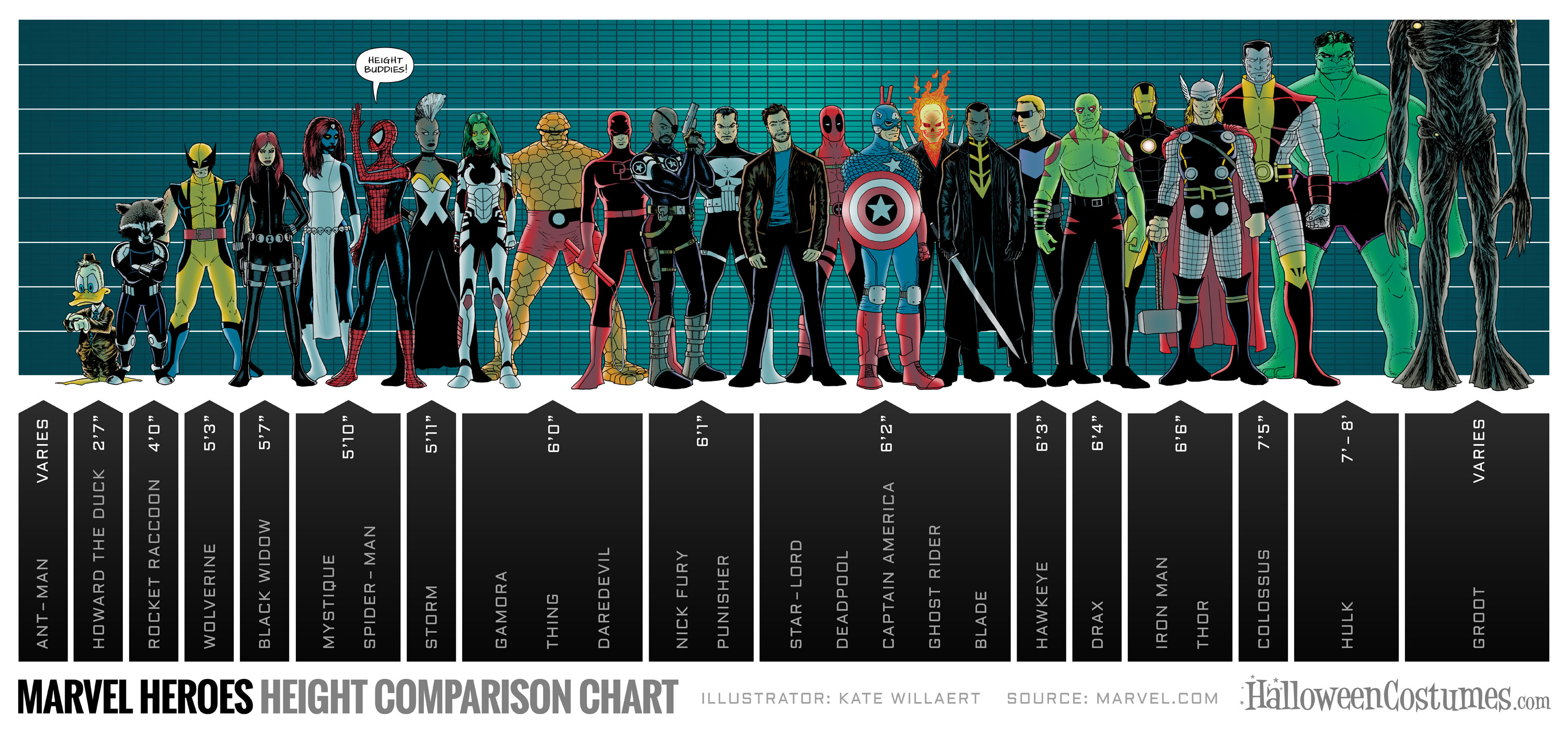
I'm really on the fence about infographics and I want to get your take. Do you like them? Have you ever incorporated them into your marketing campaigns? Making them seems easy enough as long as you have the data and a vision for its appearance. This example from Marvel Comics is both informative and educational. That is, if you ever found yourself wondering if Wolverine was taller than Captain America.
The Marvel Superhero Height Chart
Infographic Created by HalloweenCostumes.com

Click here to see a full-screen version of this infographic.

I understand their appeal - a picture is worth a thousand words, right? Infographics utilize images to relay information, and we like that in today's world of super-instant gratification. But it's very rare that I fully read an infographic. The majority I come across are overwhelming and contain too many details. That's why I'm on the fence.

Thursday, August 28, 2014

Will More US Banks Sponsor PGA Tour Events?


Throughout my entire career working in marketing roles for financial institutions, I have fielded numerous sponsorship requests. It's a simple formula: sponsorships make events happen and great marketing opportunities are provided in return. There's a definite supply-and-demand factor that goes along with sponsorships as some events struggle to find partners while other events can have their pick of suitors.

When considering the latter in the above comparison, I often think about The Masters, the annual golf tournament steeped in tradition and formalities. Each year, the tournament is "presented with limited commercial interruption" and its list of corporate sponsorships features just three companies, none of them directly related to the sport. Not all golf tournaments are equal, however. Most tournaments on the PGA Tour’s year-round schedule have to feature the name of the title sponsor in the name of the event. Firms ranging from automobile manufacturers to insurance companies have their names featured on the tournament trophy each week. As a golf nut and someone that likes to stay informed of bank marketing trends, I recently spent some time researching golf tournament sponsorships to determine why US banks don’t sponsor more golf tournaments.

WHAT IS A SPONSORSHIP?
Before I share my finds about bank sponsorships of golf tournaments, it helps to understand how these sponsorships came to be. Monte Burke wrote an excellent article for Forbes that wraps that explanation in a short but informative package. The PGA Tour doesn’t receive as much revenue from broadcasting rights as other sports so it had to create a new avenue for income. That’s where the title sponsorships come into play.
In return for their contribution, sponsors enjoy massive brand exposure, making impressions on fans at the tournament as well as viewers at home. Anything not moving at the tournament features the sponsor’s logo. The sponsor is referenced each and every time the tournament is mentioned by reporters, players and broadcasters. These, plus numerous PR events, are just a fraction of the perks of a golf tournament sponsorship.

RECENT TRENDS
I spend many hours watching PGA Tour events on television and I can factually say that you’re more likely to see a bank or investment firm sponsor a player than a tournament. Banks aren't so quick to sponsor tournaments and I’ve noticed this trend since the economy turned south in 2008.

Northern Trust was just one many financial institutions that received federal assistance by way of the TARP program. As explained in this 2009 Huffington Post article, when Northern Trust hosted parties associated with its sponsorship of a PGA Tour event - - seemingly on the government’s dime - - it brought on a lot of negative attention from politicians and taxpayers alike.

Around the same period of time, the then Wachovia Championship was renamed the Quail Hollow Championship. Wells Fargo purchased Wachovia in 2009 and said that decision was made to distance consumers from the Wachovia brand. There’s probably some truth to that explanation but, at the time, it felt more like an attempt to avoid any conflicts of interest. Either way, the tournament was renamed again and has been the Wells Fargo Championship since 2011.

Courtesy: Streeter Lecka, Getty, WSOC


THIS SEASON'S SPONSORS
The following table details information about the 2013-2014 PGA Tour events that feature a bank as the title sponsor.


Tournament Locations Date Tournament Purse
CIMB Classic Kuala Lumpur Oct 24th - 27th $7,000,000
HSBC Champions
(World Golf Championship Event)
Shanghai Oct 31st - Nov 3rd $8,500,000
RBC Heritage Hilton Head, SC Apr 17th - 20th $5,800,000
Wells Fargo Championship Charlotte, NC May 1st - 4th $6,900,000
RBC Canadian Open Quebec July 24th - 27th $5,700,000
The Barclays
(PGA Tour Playoff Event)
Paramus, NJ Aug 21st - 24th $8,000,000
Deutsche Bank Championship
(PGA Tour Playoff Event)
Norton, MA Aug 29th - Sept 1st $8,000,000

Wells Fargo is the only bank on this list that is headquartered in the United States - proof that banks in the US are still wary of the public’s ire.

Title sponsors are not responsible for the entire tournament purse but these are some of the highest purses on tour. Naturally, these tournaments attract the best players. A strong field attracts high TV ratings. High TV ratings attract advertisers for broadcasters. Everyone wins.

Courtesy: Mel Evans, AP
THE FUTURE
It is encouraging to see more banks opting to fill lower-tier sponsorships on the PGA Tour. Plus, local behemoth Regions Bank has served well as the title sponsor of The Tradition, a major tournament on the PGA Champions Tour, since 2011. But the game of golf has always been labeled as a rich man’s game. That stigma doesn’t pair well with the public perception of big banks.

Though they’re not hurting for support, PGA Tour events may never benefit from the title sponsorship of a big US bank again.

{Top photo courtesy: Mark Stockwell}

Thursday, July 10, 2014

The Legend of Dan Tullis


Everyone knows that there are numerous advertising avenues that can be used to promote a product or service and each of those methods have their pros and cons. For example, televisions ads bring sight and sound to the table but are often expensive. Radio ads, on the other hand, can only provide a listening experience - one of many factors that makes radio advertising more affordable.

I began hearing the following radio ad on the local sports station about six years ago and it seems to always pop up again each spring. Each time I hear this ad, it makes me consider the clash of marketing budgets and the act of promoting a somewhat dull product like life insurance.


I’m an advertising nerd so I'm always looking past or over an ad’s message in order to dissect the elements of the ad. In the above ad, a customer named Dan Tullis contacts an insurance agent named Joel Clark. Near the end of the ad, a narrator provides an "800" number for listeners to call for more information. These 3 voices are deep and fitting for a radio ad but after multiple listenings over the years, I’m convinced that all 3 of those voices are from the same person.

While researching my theory about this ad, I discovered that Dan Tullis is an actual person. His IMDb page credits him with acting roles in several movies and TV shows as well as the voiceover work for Select Quote Insurance, as heard above. Here’s a clip of Mr. Tullis in his recurring role of “Officer Dan” on Married with Children:


While I'm glad that I'm now able to put Dan Tullis' face to his name, that's about the only info that my research provided. I still don't know how or why Dan Tullis came to be the voice of Select Quote Insurance but I bet there’s a great story there!

I'm also not sure why Select Quote Insurance opted to have such a similar voice represent multiple parts in their radio ad. You would think that radio ads require more distinction between voices due to the lack of a visual accompaniment. But maybe budgeting did play a factor, as I mentioned above. It could be that Mr. Tullis' fee prohibited the hiring of other voice actors. It’s also possible that the sound engineers responsible for constructing this ad realized Mr. Tullis' voice could be manipulated to sound like other voices when compacting this lengthy conversation into its short timeframe. Perhaps this was all done by design to get conversations about life insurance started by people like me. MIND = BLOWN.

But seriously...if you happen to have any background on this ad or Mr. Tullis' involvement, please share. I would love to put an end to the 6+ years of questions that pop into my mind each and every time I hear this ad!

Top photo courtesy of the Married With Children Wiki.

Thursday, May 8, 2014

Birmingham Food Truck Marketing

My church arranged for a fleet of local food trucks to serve our congregation a fun lunch after a recent Sunday service. I’ve only had the opportunity to enjoy a meal from a food truck once before so I was really looking forward to this experience.

I wanted to be fully prepared for this lunch so once I learned which trucks would be on site, I scouted the web for their menus. I was able to find the information I was seeking as all four food trucks have a website. That each truck has a website is impressive but I was intrigued by the way some of the trucks utilized their site. I’ve listed some of my observations below:

OFF THE HOOK - www.ryouhooked.com


I appreciate the fact that Off the Hook posts their hours of operation right off the bat. Their menu page leaves a lot to the imagination without any photos but boy was their food good! I noticed that they rely on Facebook and Twitter to communicate their whereabouts to hungry patrons. I would bet lunch that Twitter serves them much better in this regard.

SPOONFED GRILL - www.spoonfedgrill.com


This site is little jumbled but all of the info you need is there. Twitter seems to be the social media platform of choice for Spoonfed but I was really impressed that they also rely on Flickr, Friendfeed and StumbleUpon, in addition to Facebook. If you can’t find the Spoonfed truck, it’s your own fault!

MELT - www.meltbham.com


Melt does a lot for their SEO by proclaiming to be a “grilled cheese food truck in Birmingham, Alabama” on their homepage. I like that. This site isn’t very busy and provides quick access to Melt’s Facebook and Twitter pages and they step up the social media game big-time by encouraging visitors to use the hashtag #meltbham. Not a bad site at all.

CANTINA ON WHEELS - www.cantinaonwheels.com


Big, colorful photos of Cantina’s truck and dishes great you as soon as you hit their page. And I love the weekly calendar that shows when and where they’ll be each day. Facebook and Twitter seem to be as important to Cantina as the other trucks as far as informing customers of their location but the Cantina site also encourages visitors to sign up for weekly emails. I think this is what you would want out of your food truck website.

THE RESULTS

These four trucks use a nice combination of websites and social media to communicate their locations to customers. To keep their customers coming back, they need to provide tasty food.

So how did they do at my church? I sampled everything from shrimp tacos to Buffalo chicken sandwiches and I’m here to tell you that they all passed the test! They were all awesome!

UPDATE: A few months after writing this post, I came across this 2013 article in B-Metro. It provides some great insight into the Birmingham Food Truck Boom.